Case studies
Real contracts that broke down in court or enforcement.
Learn the patterns behind unconscionable terms, subscription traps, illegal lease clauses, penalty provisions, and high-pressure sales tactics.
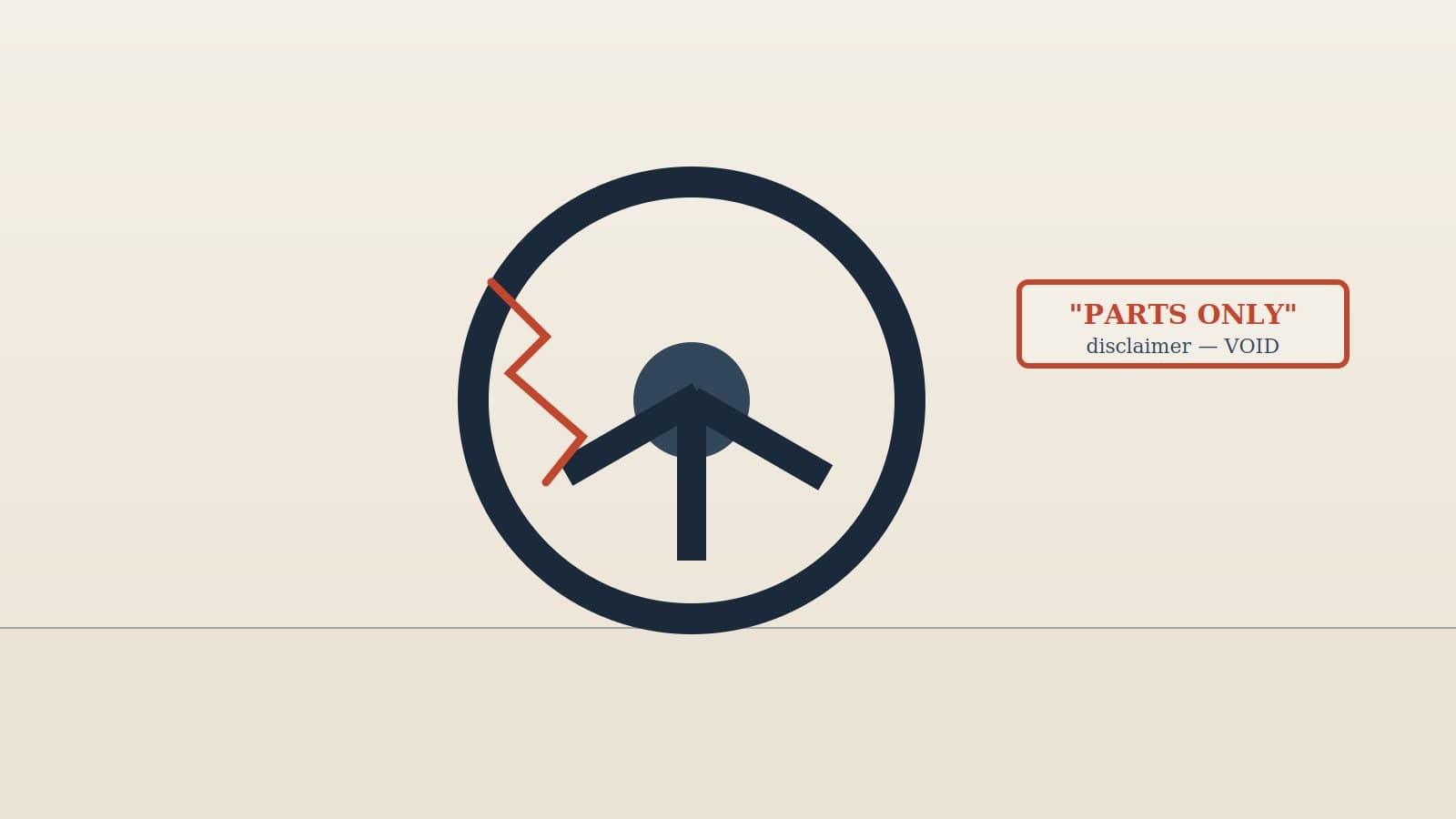
The Fine-Print Disclaimer That Couldn't Survive a Car Crash
Ten days after buying a new car, the steering failed and the car crashed. The maker pointed to a fine-print clause limiting its liability to replacing parts. The court refused to let a buried disclaimer erase basic safety protections.
5 min read
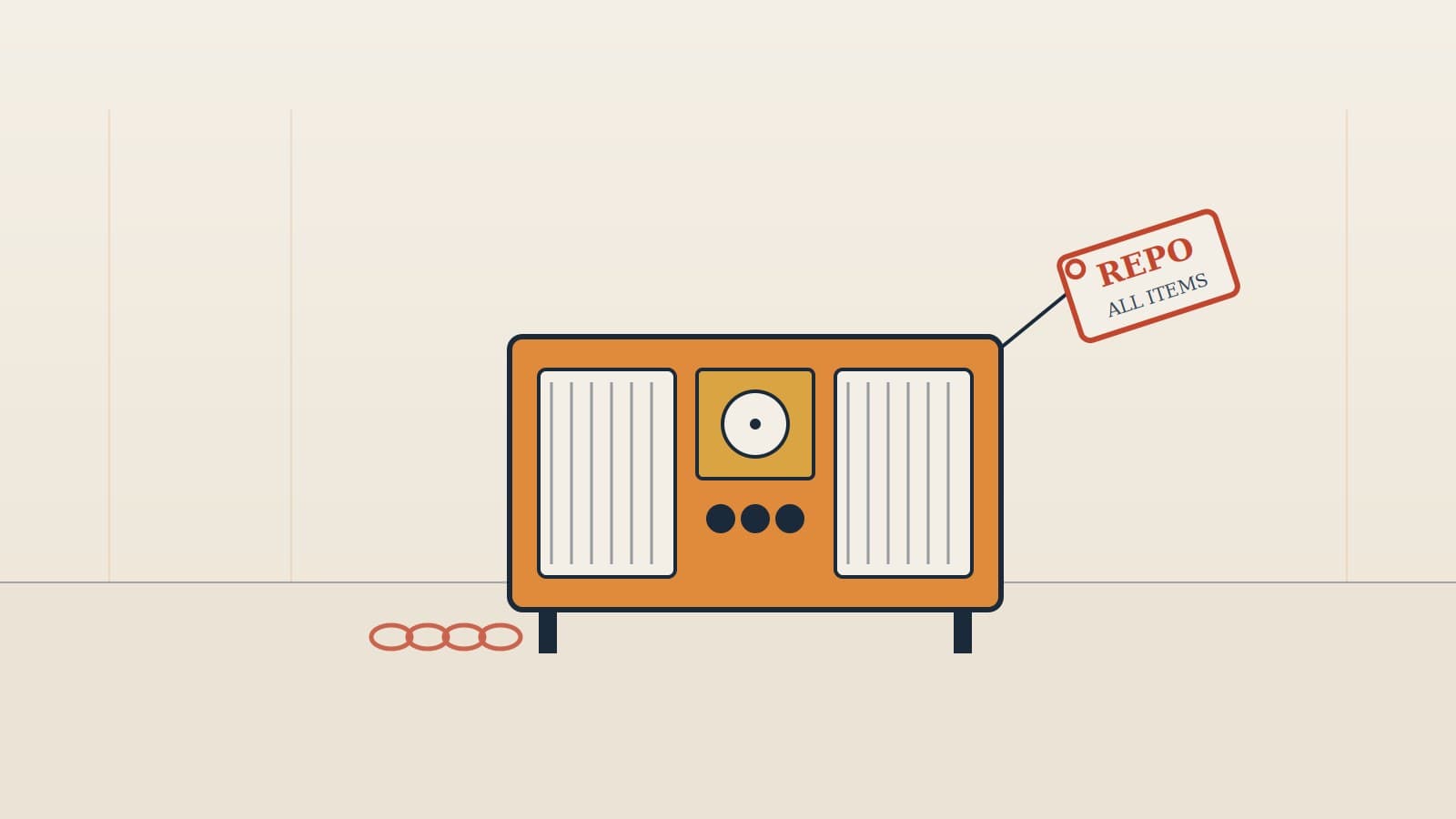
The Furniture Store That Tried to Take Everything Back
A contract clause can be perfectly legal on paper and still be thrown out if it's so one-sided that enforcing it shocks the conscience. This 1965 case created the modern doctrine that lets ordinary people fight back against fine-print traps.
5 min read
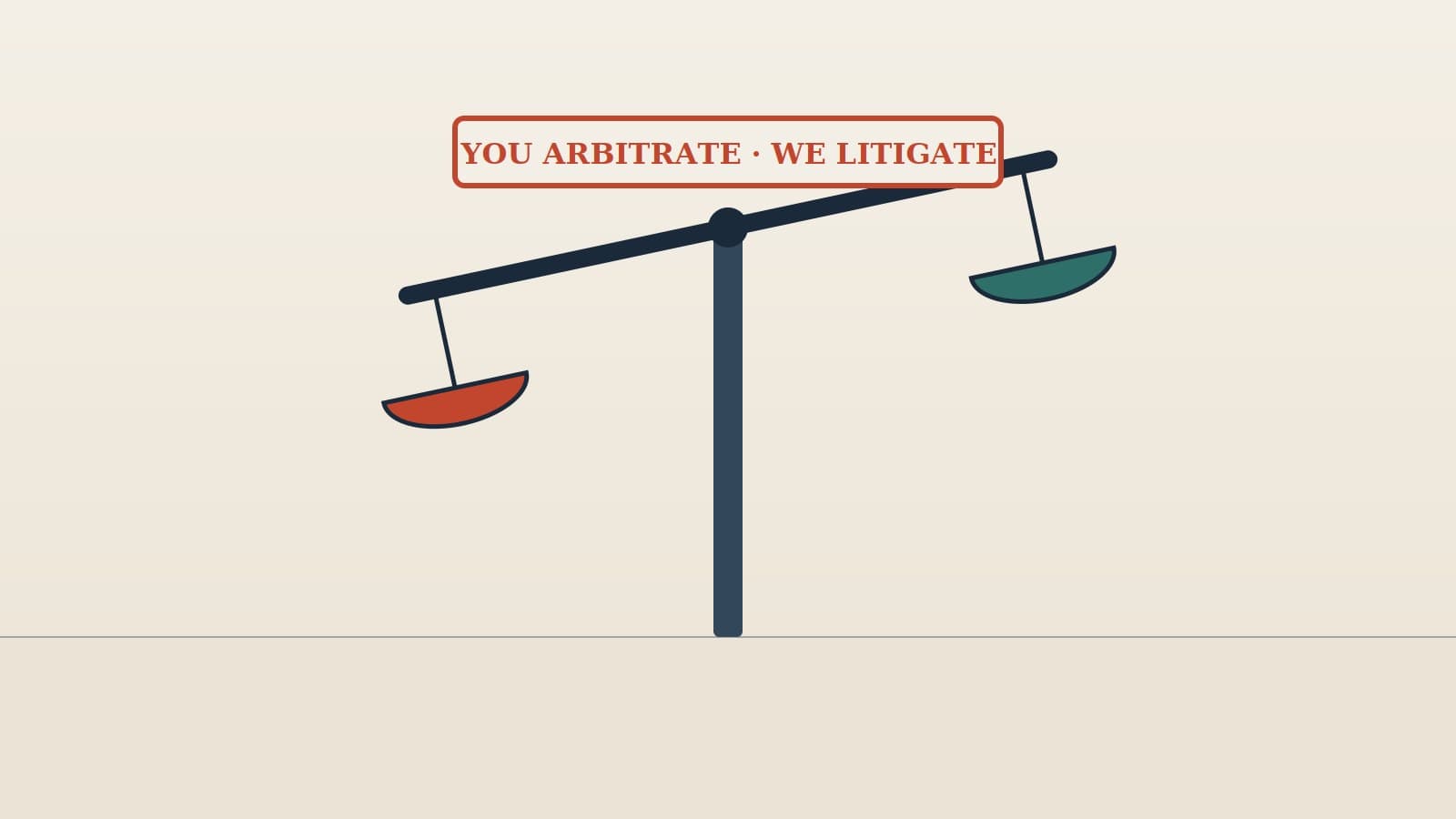
The Arbitration Clause That Only Bound One Side
A health company's arbitration clause forced employees to arbitrate their claims while leaving the employer free to sue in court. California's Supreme Court set the standard for striking down one-sided arbitration.
6 min read
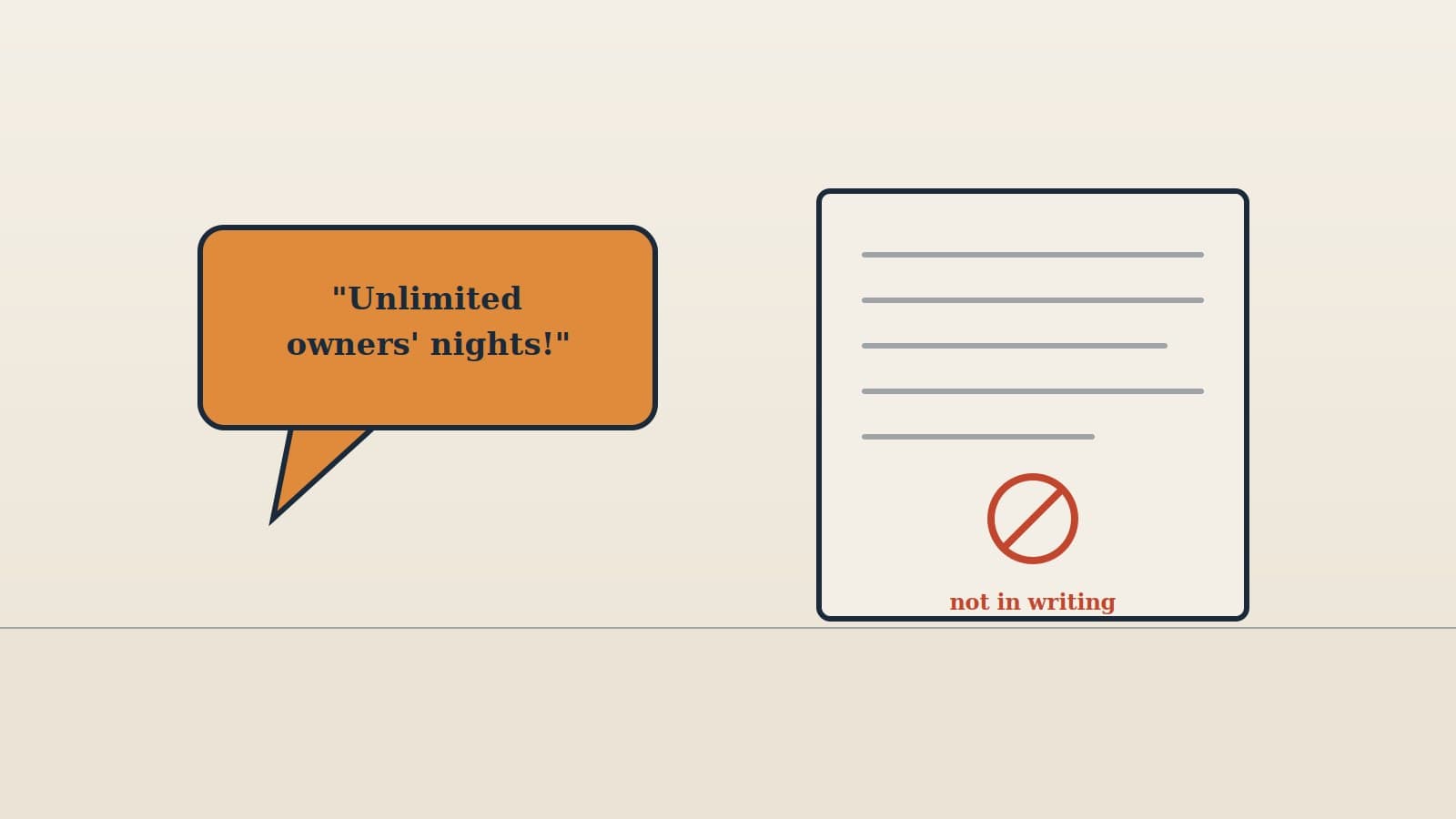
The Eight-Hour Pitch and the Promise That Didn't Exist
After an eight-hour high-pressure pitch, a couple bought a timeshare based on a promise of 'unlimited owners' nights.' The company had trained its salespeople to make that promise while knowing it wasn't in any document. The court rescinded the contract and refunded everything.
6 min read
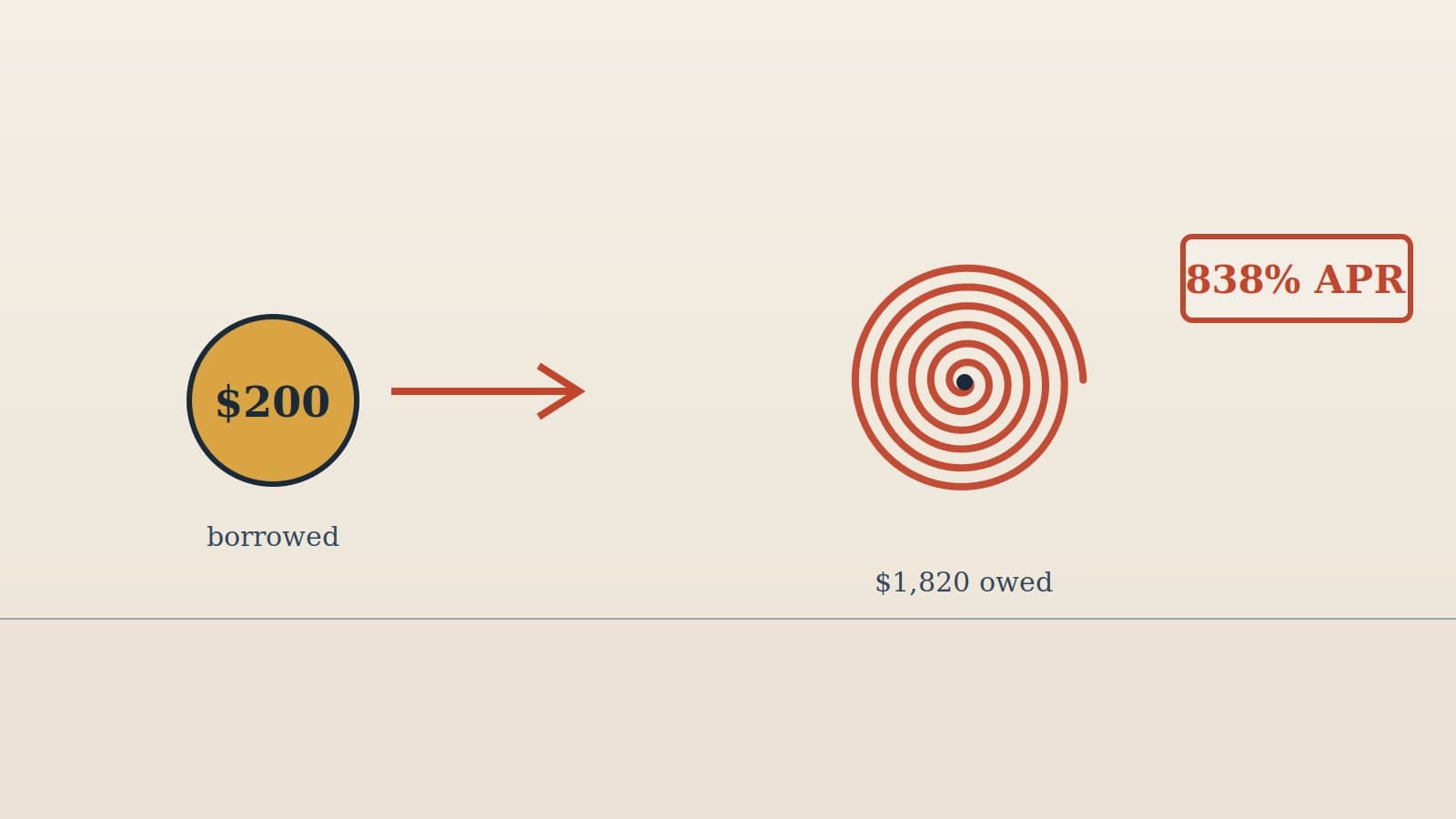
The $200 Loan That Cost $1,820
A finance company loaned a hotel housekeeper $200 at an 838% APR, structured so she'd pay $1,820 total. A Delaware court rescinded the entire loan as unconscionable — even though Delaware has no interest-rate cap.
6 min read
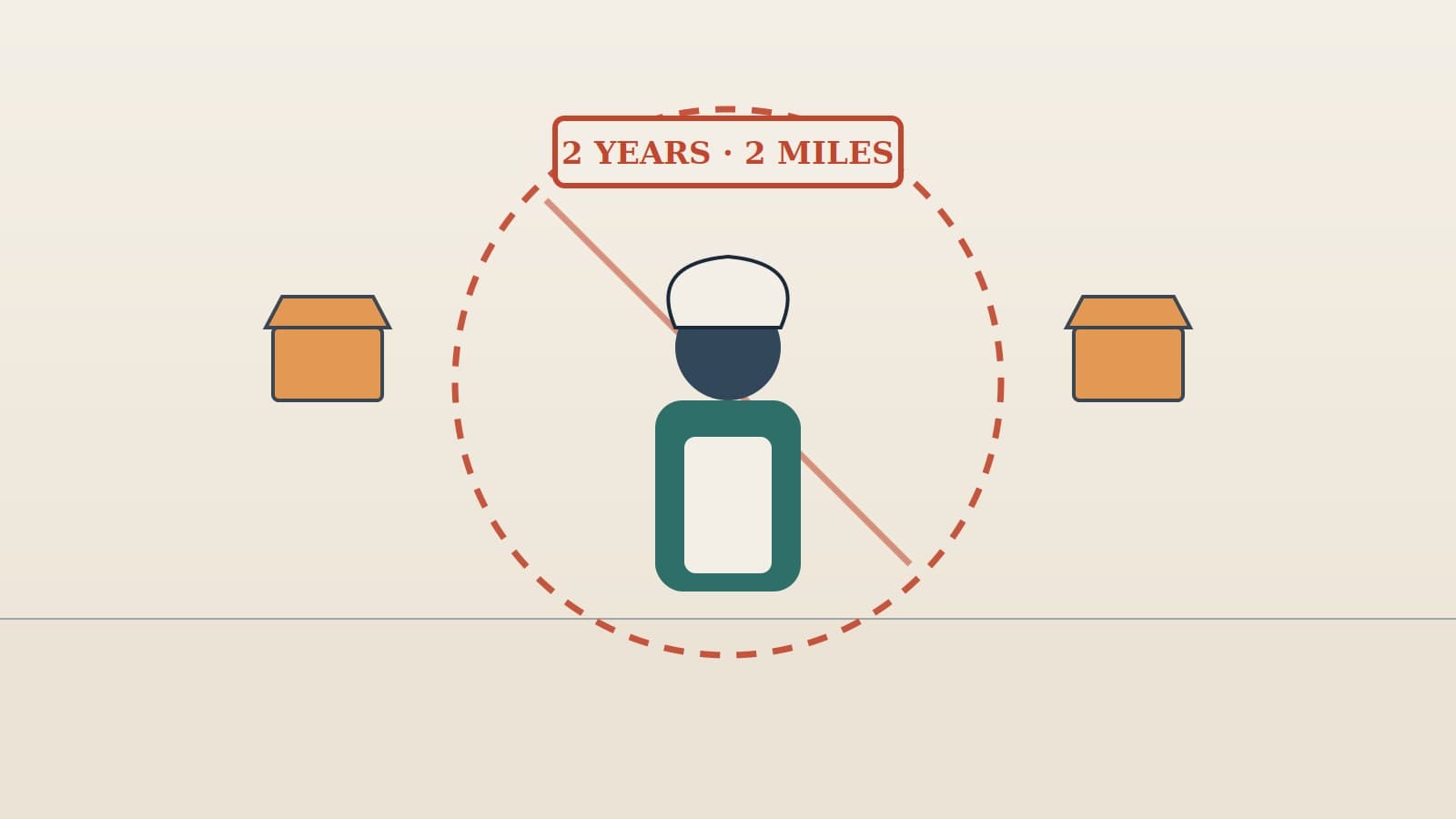
The Sandwich Makers Locked Out of the Sandwich Industry
A national sandwich chain forced delivery drivers and sandwich makers to promise not to work at any competing sub shop for two years. Regulators called it absurd — and made the company void every agreement.
5 min read
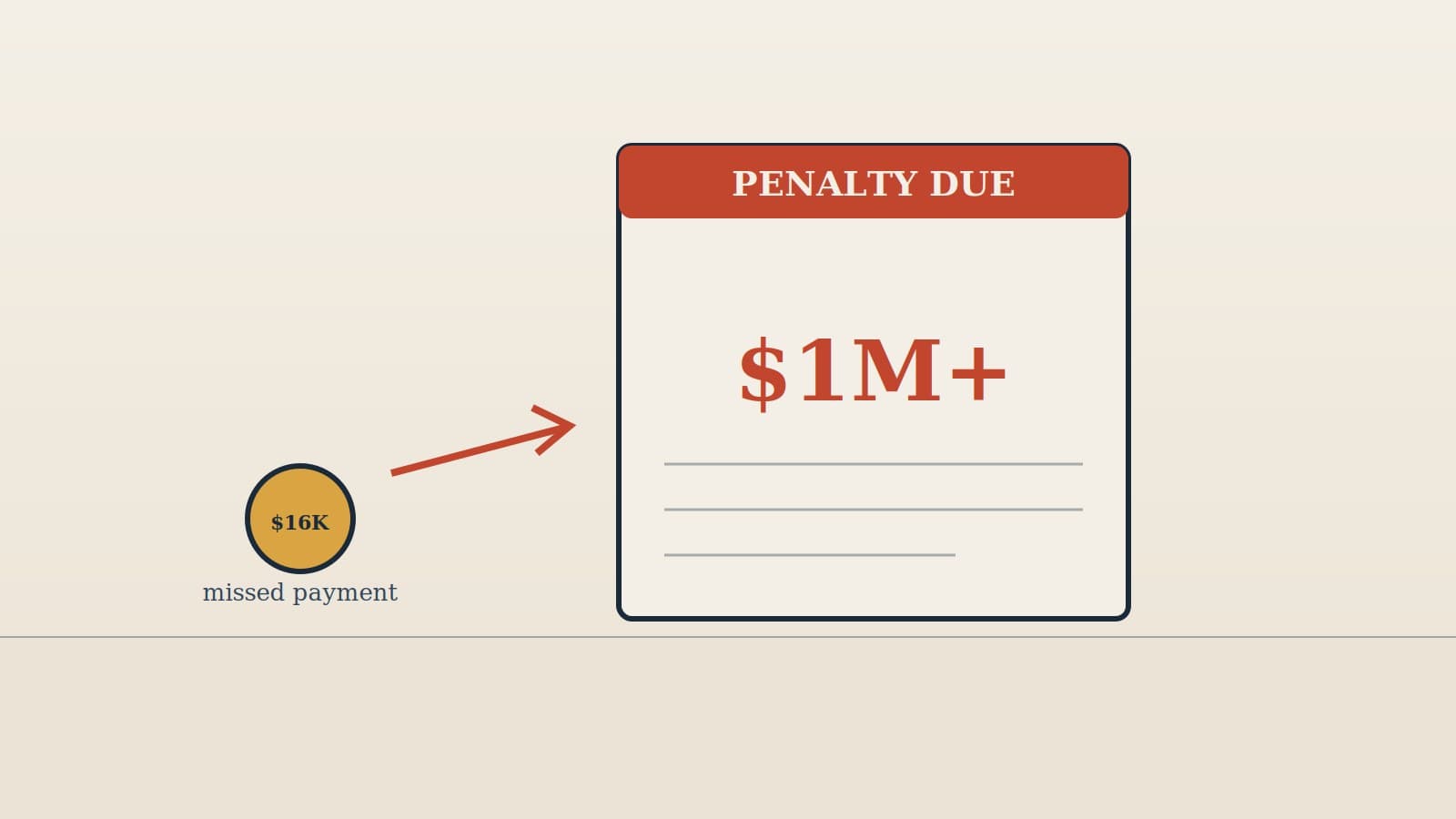
The $16,000 Miss That Triggered a $1 Million Bill
A tenant paid almost all of a settlement, then missed one final payment of about $16,000. The contract said that triggered over $1 million in damages. New York's highest court refused to enforce it.
5 min read
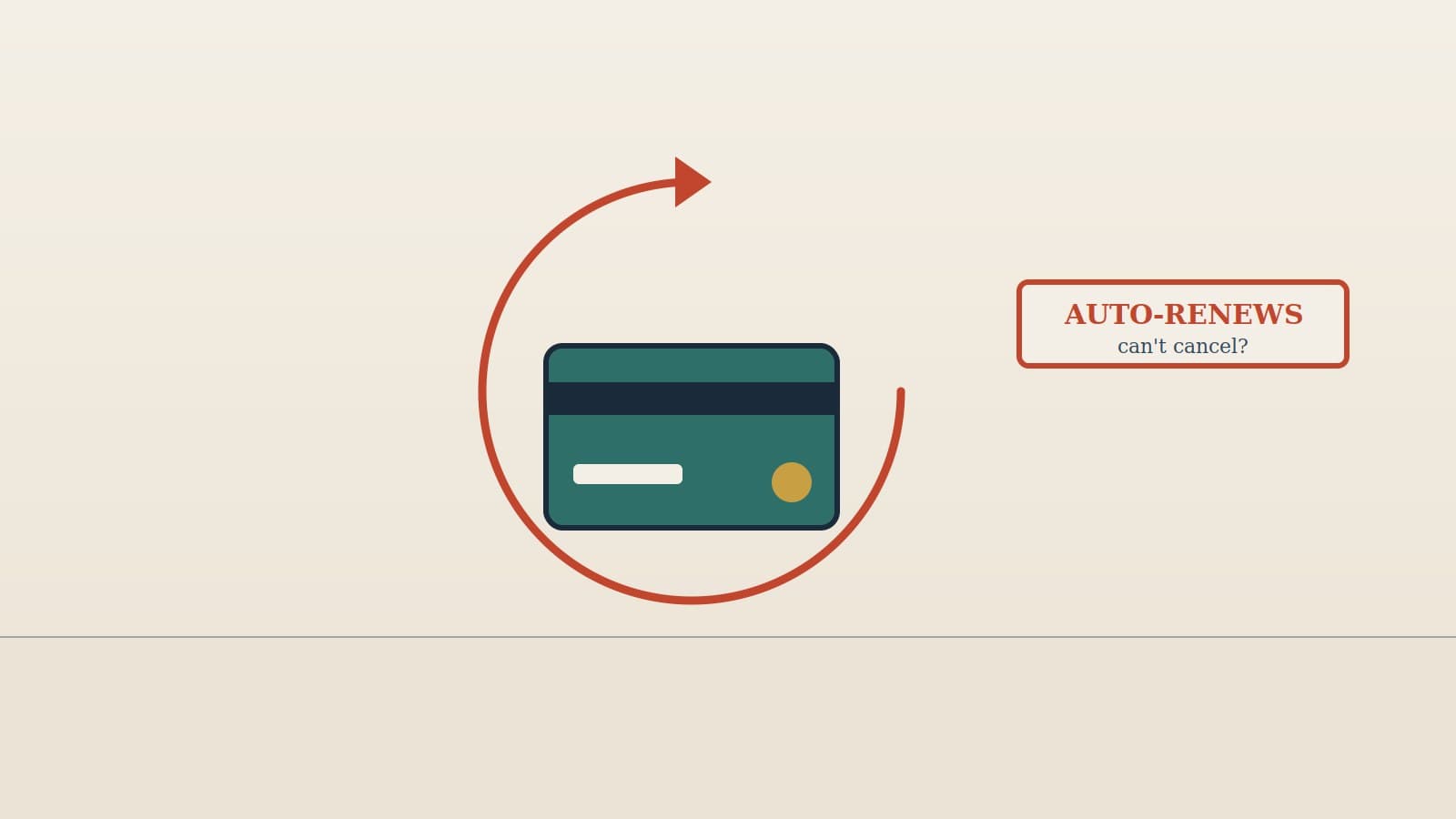
The Subscription You Couldn't Escape
A free trial that quietly converts to recurring charges, and a cancellation maze designed to keep you paying. California's Automatic Renewal Law turns those tactics into refunds — and a $7.5M penalty for HelloFresh.
6 min read
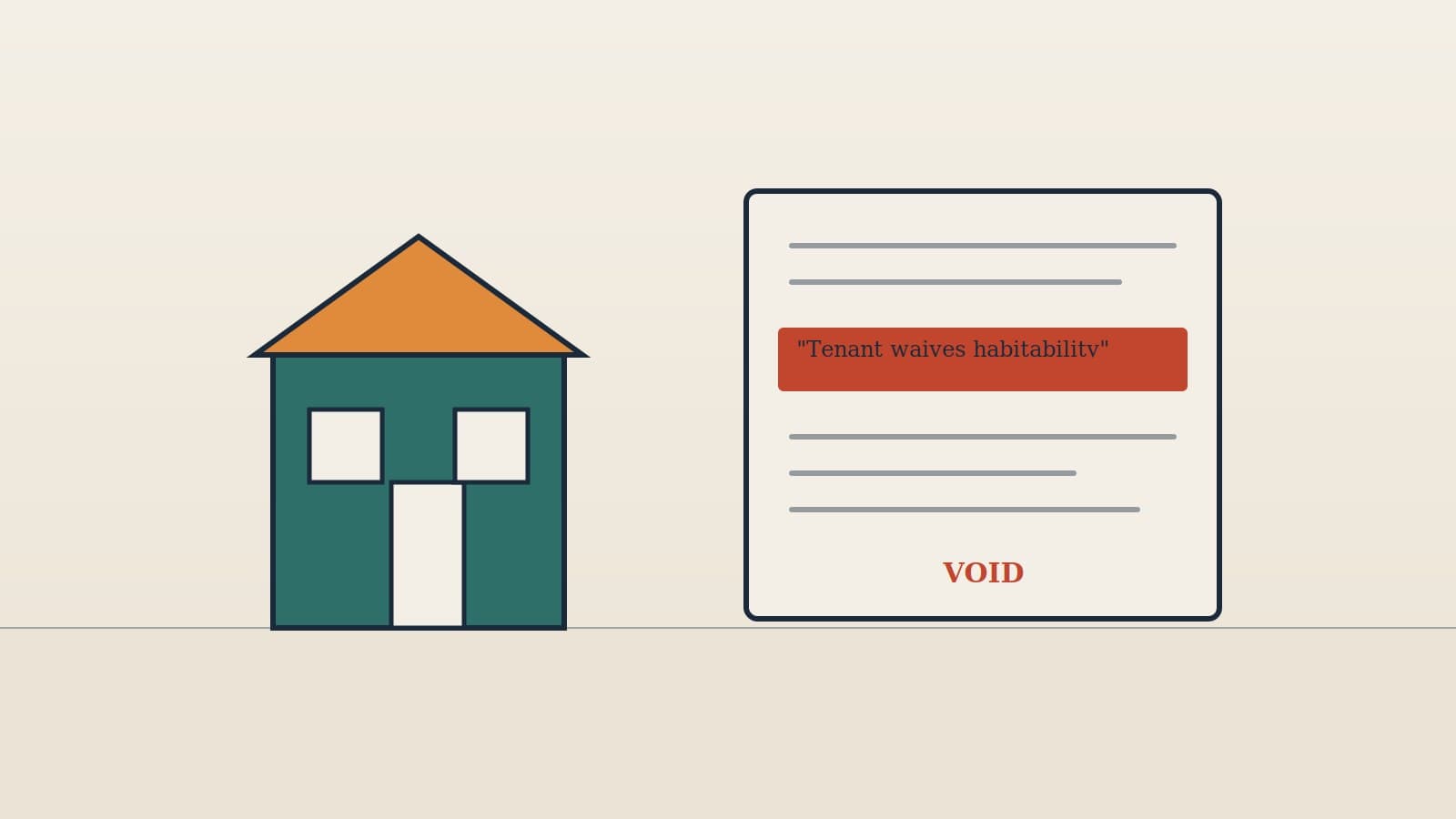
The Lease Clause You Signed That Was Never Worth the Paper
Landlords routinely slip clauses into leases that try to make tenants waive the right to a livable home or to sue. In nearly every state, those clauses are void the moment they're written — your signature doesn't save them.
6 min read